What Does 10 Gigawatt Hours Actually Mean?
- The average home battery installed today is around 13 kWh to 20 kWh
- That means 10 GWh represents:
- Hundreds of thousands of battery systems worth of stored energy
- In practical terms, that’s enough energy to:
- Power large numbers of homes through the evening peak
- Reduce reliance on the grid when electricity is most expensive
Why Battery Adoption Is Accelerating Across Australia
Reaching this level of adoption isn’t accidental. Several key factors are driving momentum at the same time.
Federal Battery Incentives
The Cheaper Home Batteries Program has made batteries more accessible.
- Rebates are applied based on usable battery capacity
- While admin fees apply, the incentive still reduces upfront cost
- Larger battery systems are now more viable than they were a few years ago
To understand how incentives work in detail, check our complete battery rebate guide
Rising Electricity Prices
Electricity costs continue to shape how households think about energy.
- Evening power remains the most expensive
- Many households are shifting focus to self-consumption
A battery allows you to:
- Store excess solar during the day
- Use it at night instead of buying from the grid
Greater Focus on Energy Security
- Keep essential appliances running during outages
- Support partial or full home backup, depending on the setup
This adds another layer of value beyond just bill savings.
Growth of Virtual Power Plants
Virtual Power Plants are contributing to adoption across multiple states.
- Some battery systems can connect to VPP programs
- Homeowners may receive incentives or credits
While not suitable for everyone, VPPs are helping drive overall interest in batteries.
What This Means for Electricity Prices
- Electricity demand typically peaks in the evening
- This is when solar generation drops and grid reliance increases
With more homes using batteries to:
- Store energy during the day
- Use it during peak periods
It helps:
- Reduce peak demand
- Lower pressure on the grid
- Improve overall system stability
Over time, this can contribute to more balanced electricity pricing across the network.
Batteries Are Following the Same Path Solar Did
If you step back, the pattern is familiar.
- A decade ago, solar was optional
- Today, solar is standard on many homes
- Adoption is no longer early-stage
- System sizes are increasing
- Installers are scaling rapidly
A Real-World Example
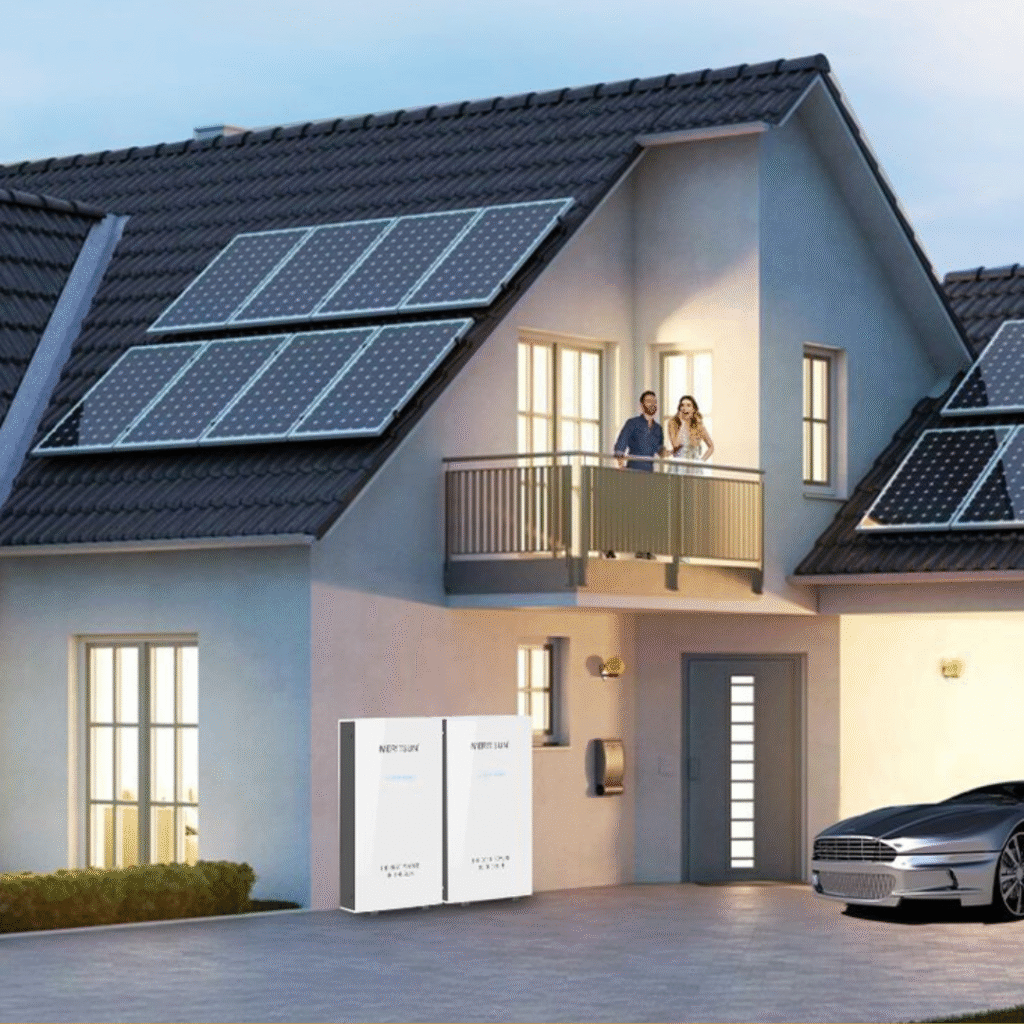
Consider a typical household in Melbourne with:
- A 6.6 kW solar system
- A 15 kWh battery
In this setup, the battery can:
- Store excess solar energy generated during the day
- Power the home through the evening
- Reduce reliance on peak electricity rates
- Provide backup for essential appliances
You’re using more of your own energy, and relying less on the grid.
How to Think About Batteries in 2026
What type of battery system actually suits your home?
Your Energy Usage Pattern
Not all households benefit in the same way.
- Evening-heavy usage increases the value of a battery
- Daytime-heavy usage may already be covered by solar
Understanding when you use electricity is critical.
System Size Matters
Battery sizing has become one of the most important decisions.
- Smaller systems may not cover evening demand
- Many households are now installing 15 to 25 kWh systems
Choosing the right size often has a bigger impact than choosing a specific brand.
Electricity Tariffs
Your energy plan plays a major role.
- Time-of-use tariffs increase the value of stored energy
- Lower feed-in tariffs make self-consumption more attractive
This is one of the biggest reasons battery uptake is increasing.
Backup Capability
Not all battery systems provide the same level of backup.
- Some only support essential circuits
- Others can power most or all of the home
It’s important to understand how your system will perform during an outage.
Future Flexibility
More homeowners are thinking long-term.
- Expanding battery capacity
- Participating in energy programs
Choosing a flexible system can make future upgrades easier.
If you’re unsure which system suits your needs, read our guide on choosing the right solar battery for your home.
The Bigger Picture
Batteries are no longer an emerging technology in Australia they’re becoming part of the standard home energy setup.
- Over 360,000 homes already installed
- More than 10 GWh of capacity deployed
Final Thoughts
- Looking beyond short-term savings
- Thinking about energy independence
- Planning for long-term flexibility
How to choose a system that fits the way your home uses energy now and into the future.